Can You Sell Your Port St. Lucie House During Bankruptcy?
Bankruptcy doesn't automatically prevent you from selling your home, but signing a contract without permission can create expensive problems. If you need to sell your Port St. Lucie house for cash, the answer depends on your bankruptcy chapter, case status, equity, exemptions, liens, and court orders.
People searching "sell house bankruptcy" may have a path to relief without repairs, showings, or realtor commissions. Get the legal clearance first from your bankruptcy attorney and trustee before listing, accepting an offer, or transferring sale proceeds.
Start with who controls the property and what must happen before closing.
Key Takeaways Before You Sell
- Chapter 7 may put the bankruptcy trustee in control of your home, unless it's exempt or properly abandoned.
- Chapter 13 generally lets you keep your home, but a sale during an active case needs court authorization and trustee involvement.
- Florida homestead protection doesn't automatically protect every dollar after a sale. Your attorney must address the proceeds before closing.
A cash buyer can simplify the transaction. A cash offer cannot replace a court order.
How Chapter 7 and Chapter 13 Change Your Sale
Both chapters can provide debt relief, but property rules depend on your case.
| Question | Chapter 7 | Chapter 13 |
|---|---|---|
| Who controls the home? | The bankruptcy trustee controls estate property. | You generally retain possession under a repayment plan, subject to bankruptcy court oversight. |
| Can the home be sold? | Yes, through an authorized estate sale or after exemption or abandonment issues are resolved. | Yes, with court approval during an active case. |
| What happens to the money? | Liens, costs, exemptions, and creditor priorities determine distribution. | The sale order, exemptions, and repayment plan determine distribution. |
Chapter 13 plans generally last three to five years. Chapter 7 often produces a discharge sooner, but discharge and case closure are different events.
Florida Homestead Protection: Strong, but Conditional
Your Equity May Be Protected
Florida's homestead exemption can protect substantial home equity in a qualifying primary residence. State protection generally has no dollar ceiling, but acreage limits apply.
Within a municipality, protection generally covers up to one-half acre. Outside a municipality, it can cover up to 160 contiguous acres.
Protection depends on your circumstances and isn't automatic. Residency requirements, recent purchases, federal bankruptcy limits, ownership, and property use can affect eligibility. Your mortgage and certain other enforceable liens also remain payable.
If your valid exemption covers all available equity, filing Chapter 7 doesn't automatically mean you must sell.
Sale Proceeds Need Separate Protection
Selling changes the asset. Instead of owning a home, you hold cash, and the exemption analysis can change.
Florida may protect proceeds from a voluntary sale when you intend in good faith to reinvest them in another homestead. The amount set aside, how you handle the money, and the timing matter.
Homestead protection doesn't automatically make sale proceeds exempt. Don't assume you can deposit them into an everyday account, spend them freely, and retain protection. Paying relatives or transferring money can create additional bankruptcy problems.
Have your attorney establish how the proceeds will be held and used before the sale closes.
Selling a House During Chapter 7 Bankruptcy
When the Trustee Can Sell
A trustee evaluates whether a sale would produce money for creditors. The calculation subtracts mortgage balances, other liens, closing costs, your allowed homestead exemption, and trustee compensation to determine any nonexempt equity.
There must be nonexempt value left to justify administering the property. A high sale price alone doesn't establish that.
Federal bankruptcy law governs estate sales and the trustee's employment of professionals. A Chapter 7 estate sale generally requires notice and court approval under 11 U.S.C. 363(b). If the trustee hires a real estate broker, that employment requires court approval under 11 U.S.C. 327.
You cannot independently promise a closing while the home remains under the trustee's control as part of the bankruptcy estate.
Discharge Doesn't Release the Property
Chapter 7 discharge usually arrives about three to four months after filing. The case can remain open while the trustee sells property and distributes funds.
A Notice of Abandonment starts the process of releasing property the trustee won't administer. The notice alone isn't always immediate clearance. Applicable objections and any required order must be resolved before you sell.
Properly scheduled property may also be abandoned when the case closes. Unscheduled property can remain in the estate.
If administration drags on, your attorney may consider a Motion to Compel Abandonment. Waiting for discharge alone won't solve the ownership issue.
Selling Your Home During Chapter 13
The Motion to Sell Explains the Deal
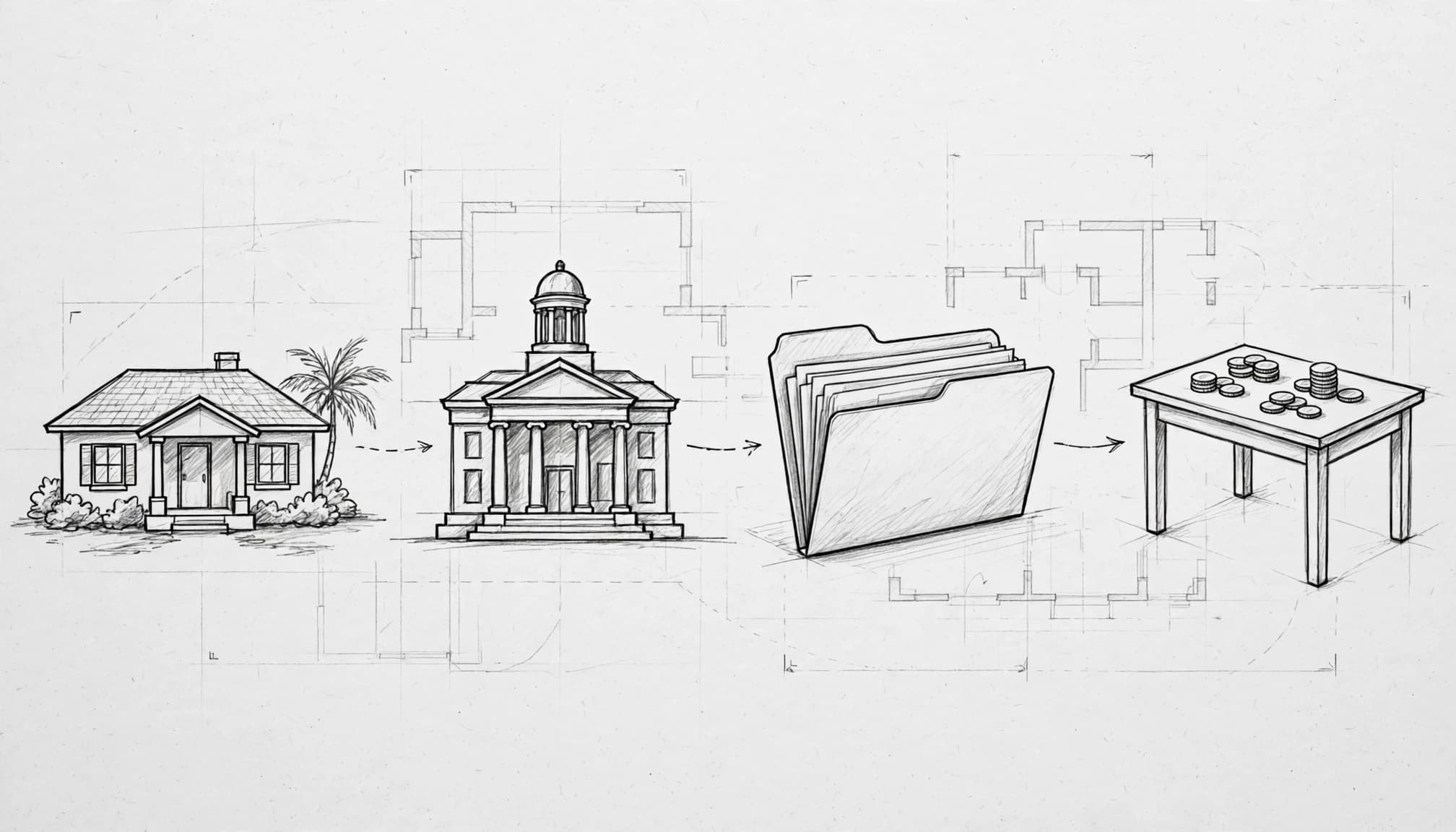
During an active Chapter 13 case, your attorney generally files a Motion to Sell to request court authorization and coordinates with the trustee.
The Motion to Sell describes the buyer, sale price, proposed closing date, liens, estimated net proceeds, and proposed distribution. An appraisal or other reliable valuation supports the price.
The closing accounting, sometimes called a Statement of Sale, shows closing costs, mortgage payoff, and leftover funds. Local filing requirements and the sale order govern the required accounting and distribution. The Statement of Sale may need to be filed under those requirements.
Your attorney may also need to modify your repayment plan. Selling the home doesn't automatically finish the bankruptcy.
Creditors Can Object
Creditors receive notice and an opportunity to object. The court can hold a hearing to resolve disputes about price, proceeds, or plan treatment.
A proposal that pays allowed creditor claims in full may face fewer objections. It still needs proper authorization.
An objection can delay or defeat a proposed sale, but creditors don't have an automatic veto. The judge decides whether the transaction meets the law and applicable orders.
A signed cash offer doesn't authorize closing. The sale order determines what can happen and where the money goes.
After Chapter 13 discharge, a sale is generally possible without bankruptcy-court involvement once estate and order restrictions are resolved.
What Happens to the Sale Proceeds?
Your sale price isn't your take-home cash. Mortgage payoffs, enforceable liens, approved transaction expenses, and exemption rights determine what remains, including any nonexempt equity available to creditors.
In Chapter 7, estate funds also cover allowed administrative expenses. Under Section 726, bankruptcy distributions follow statutory priorities. Priority unsecured claims, including domestic support obligations and certain tax debts, are paid before general unsecured claims.
Creditors within the same class generally share proportionately when funds are insufficient. Eligible unpaid debts may be discharged, but domestic support, many tax debts, and most student loans generally survive.
In Chapter 13, proceeds may fund the plan, satisfy claims, or require a plan modification. There is no universal $25,250 proceeds rule for Florida homeowners. Federal exemption amounts change periodically, and a figure from another exemption system isn't your automatic cash allowance.
A mortgage discharge doesn't erase the mortgage lien. An authorized sale generally must satisfy the lien or obtain an approved release.
How to Arrange a Fast Cash Sale Without Legal Shortcuts
Speed helps when insurance, taxes, and maintenance keep draining your budget. During bankruptcy, the fastest useful offer is one that fits the legal process.
- Speak with your bankruptcy attorney and trustee. Establish who controls the home before listing or accepting an offer.
- Build the net-proceeds calculation. Gather payoff statements, lien information, valuation evidence, and expected transaction costs.
- Get the required authorization. Your attorney handles the sale motion, exemption issues, or abandonment process.
- Close under the approved instructions. The closing agent distributes funds as authorized, rather than handing you unrestricted cash.
A direct sale may avoid hiring a real estate broker. It doesn't remove trustee control or court-approval requirements.
We buy houses as-is, without repairs, realtor commissions, hidden fees, or standard closing costs. That can reduce upfront expense when money is already tight.
Ordinary sales may close in 7 to 15 days, depending on title and the situation. Bankruptcy approval can extend that timeline. Some sale orders also carry a 14-day stay unless the court waives it.
Should You Sell Before Filing or Keep the House?
If the mortgage is affordable after debt relief and your equity is protected, keeping your home may preserve stability. Bankruptcy doesn't require every homeowner to walk away.
If mortgage payments, insurance, taxes, and repairs remain unaffordable, a sale may reduce the monthly burden. Compare the authorized cash you could retain against moving costs and replacement housing.
Selling before filing isn't automatically safer. Converting protected real estate into cash can change exemption treatment. Below-market transfers or payments to favored creditors can also invite trustee scrutiny.
If foreclosure is pending, bankruptcy's automatic stay may pause the process, but its scope depends on your filing history and court orders. A lender can seek relief from the stay.
Choose the sequence with your bankruptcy attorney. A rushed contract can leave you with less control, not more.
Frequently Asked Questions
Can I Change My Mind About Selling?
Before a binding contract or sale order, changing course may be possible. Once the trustee administers the home or the court authorizes a transaction, your preference alone may not stop it. Notify your attorney immediately rather than refusing to cooperate.
Can I Lose My House in Chapter 13?
Yes. Falling behind on required plan payments or ongoing mortgage payments can lead to dismissal or relief from the automatic stay. Chapter 13 provides a repayment structure, not permanent protection from foreclosure. Keeping the house depends on maintaining the required payments.
Do I Need a 580 Credit Score to Sell?
No credit score is required to sell. The commonly cited 580 score and 12 timely plan payments concern certain FHA mortgage-financing situations during Chapter 13. They aren't sale-approval rules, and lender requirements vary. Buying your next home requires a separate financing assessment.
Take Control Before You Commit
Whether you can sell your house and keep the proceeds depends on your individual case. Neither a sale nor your ability to retain the proceeds is guaranteed.
Talk with your bankruptcy attorney and trustee before listing, accepting an offer, or transferring sale proceeds. Once the sale is legally authorized, we can provide an as-is cash offer and work toward a closing date that fits the case.
