How to Verify Proof of Funds From a Cash Home Buyer
Verify a cash buyer's proof of funds (POF) by matching the documents to the purchase contract and confirming them with the issuing financial institution. A convincing letter alone doesn't prove the buyer has available cash or can close.
For sellers carrying mortgage payments, insurance, and repair costs, a failed sale means more money out of pocket. Before accepting a cash offer, confirm the paperwork supports the price, purchasing entity, and promised closing date.
Key Takeaways Before You Accept a Cash Offer
- Request bank-issued documentation showing accessible funds, not a screenshot or an unsupported promise.
- Match the account holder to the buyer named in your contract, including any company purchasing the property.
- Confirm authenticity through independently obtained bank contact information, then have the closing agent confirm receipt of funds before completing the sale.
What Proof of Funds Actually Shows
A bank letter or statement shows that a buyer has liquid assets available at a specific point in time. Sellers often request documentation before accepting an offer, and a mortgage lender reviews assets during underwriting. A proof of funds letter documents the buyer's available funds on that date.
Cash Verification Versus Mortgage Preapproval
A mortgage preapproval is a lender's conditional commitment based on credit, income, and underwriting. It doesn't establish that the buyer already holds the full purchase price in cash.
A direct cash offer should come with evidence supporting that promise. If the transaction depends on obtaining a loan, that dependence belongs in the conversation and the contract.
A Balance Isn't a Closing Guarantee
A documented balance generally doesn't reserve money for your property. The funds may be withdrawn, committed elsewhere, or subject to account restrictions.
That's why reviewing documents is only the first stage. The closing agent must also receive the required funds before completing the transaction under the applicable closing procedures.
Which Funds and Documents Can Qualify?
The important question is simple: can this money reach the closing account when it's needed?
Different sources require different supporting evidence.
| Source | What the seller should expect |
|---|---|
| Checking or savings | Bank statements or a bank-issued letter showing available funds and account ownership. |
| Money market account | Documentation showing accessible cash and any withdrawal restrictions. |
| Cashier's check | Independent confirmation of authenticity, with collection handled by the closing agent. |
| Investment account | A summary showing available cash, separate from securities that still need sale and settlement. |
| Gift funds | A signed gift letter, source documentation, and evidence of transfer. |
A large portfolio in an investment account doesn't automatically mean cash is ready for closing.
Retirement accounts such as 401(k)s and IRAs, mutual funds, life insurance values, and real estate equity generally aren't ready-to-close cash. For this purpose, the buyer needs documentation showing completed withdrawals, sales, or other conversion into accessible funds.
If funds come from several accounts, use bank statements or other records to document each source. Don't count a transfer as money in both accounts.
For gifts, the donor's signed gift letter should confirm that repayment isn't required. Fannie Mae's personal gift requirements also address evidence of the transfer, such as the donor's check and the buyer's deposit slip. A gift promise alone doesn't fund a purchase.
What a Proof of Funds Letter Must Include
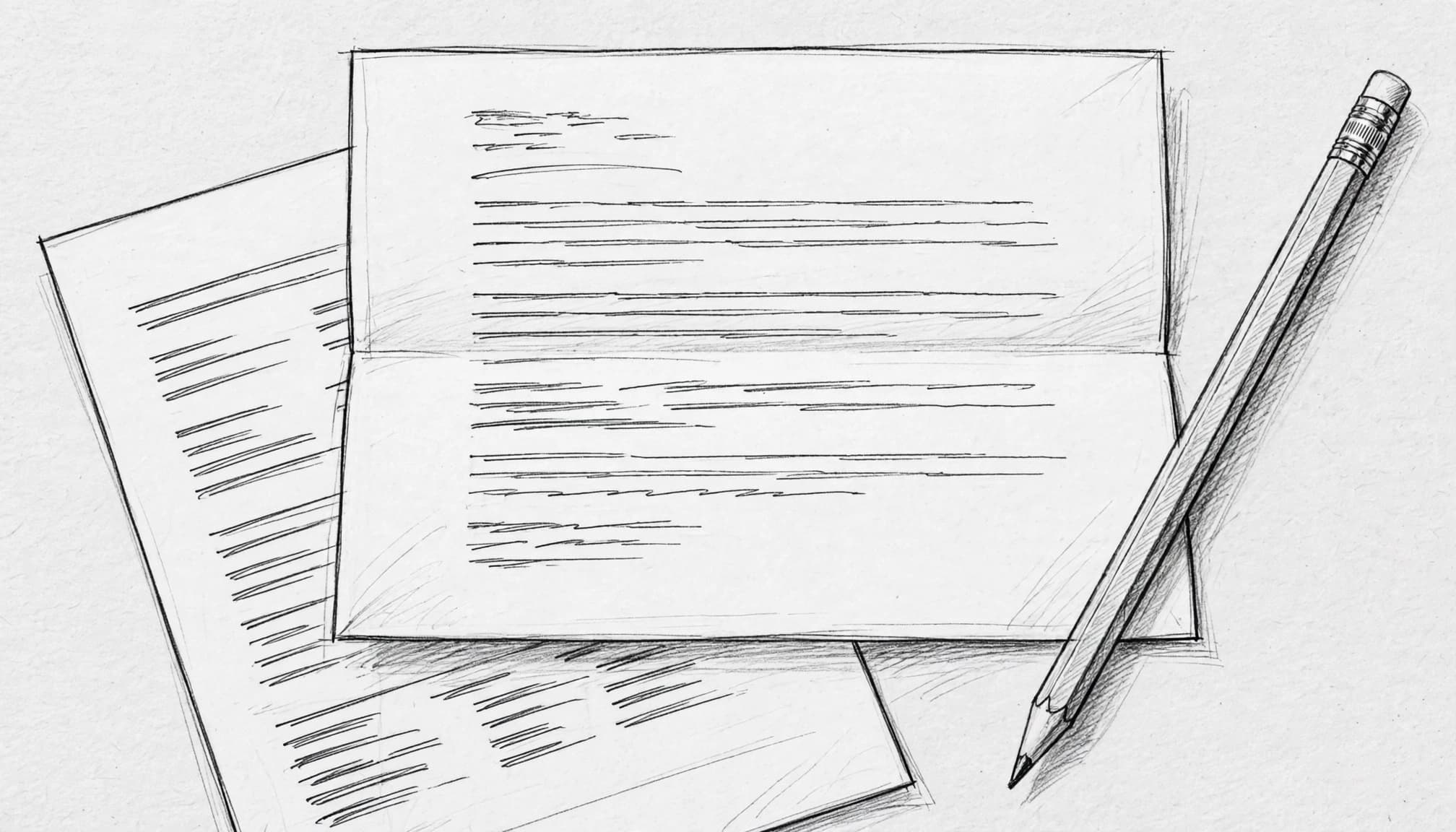
A useful bank letter makes ownership, availability, and authenticity easy to establish. Look for these elements:
- The financial institution's name, address, and official letterhead.
- The account holder's legal name and a partially hidden account number.
- The available balance, the document date, and any stated restrictions.
- An authorized bank officer's name, signature, and contact information.
A bank statement won't necessarily include an officer's signature. It should still identify the institution, account holder, statement period, and relevant balance.
An account in a person's name doesn't automatically establish funding for a company named in the contract. The closing agent needs documentation connecting the account owner, purchasing entity, and authorized signer.
How to Verify a Cash Buyer's Documents
Keep the process direct. You need enough information to establish funding without collecting unnecessary private details.
- Request the original bank-issued document. Ask for a bank-generated PDF or an institution-issued letter. A cropped phone screenshot can hide the account holder, date, restrictions, or source.
- Match it to the offer. Compare the purchaser's legal name, purchase price, and payment obligations with the documentation. If another entity owns the funds, ask for documentation of the relationship and funding arrangement.
- Find the institution's contact information independently. Use its official website or a trusted banking directory. Don't rely solely on the phone number, email address, or link printed on the submitted letter.
- Obtain the purchaser's authorization for confirmation. The bank may require written consent before discussing an account. A confirmation coordinated through the closing agent can protect both parties' privacy.
- Confirm what the document establishes. Ask whether the institution issued it, whether it accurately states the balance as of its date, and whether disclosed restrictions affect availability.
Banks won't always discuss balances directly with a seller. That privacy boundary isn't evidence of fraud. The purchaser can authorize an appropriate confirmation process.
Fannie Mae also recognizes a Verification of Deposit, Form 1006, within its mortgage documentation rules. Your closing agent can coordinate suitable verification for the transaction.
Never request or share online banking passwords, security codes, or account credentials. Exchange documents through a secure channel, with sensitive account numbers partially hidden.
How Much Money Must the Buyer Show?
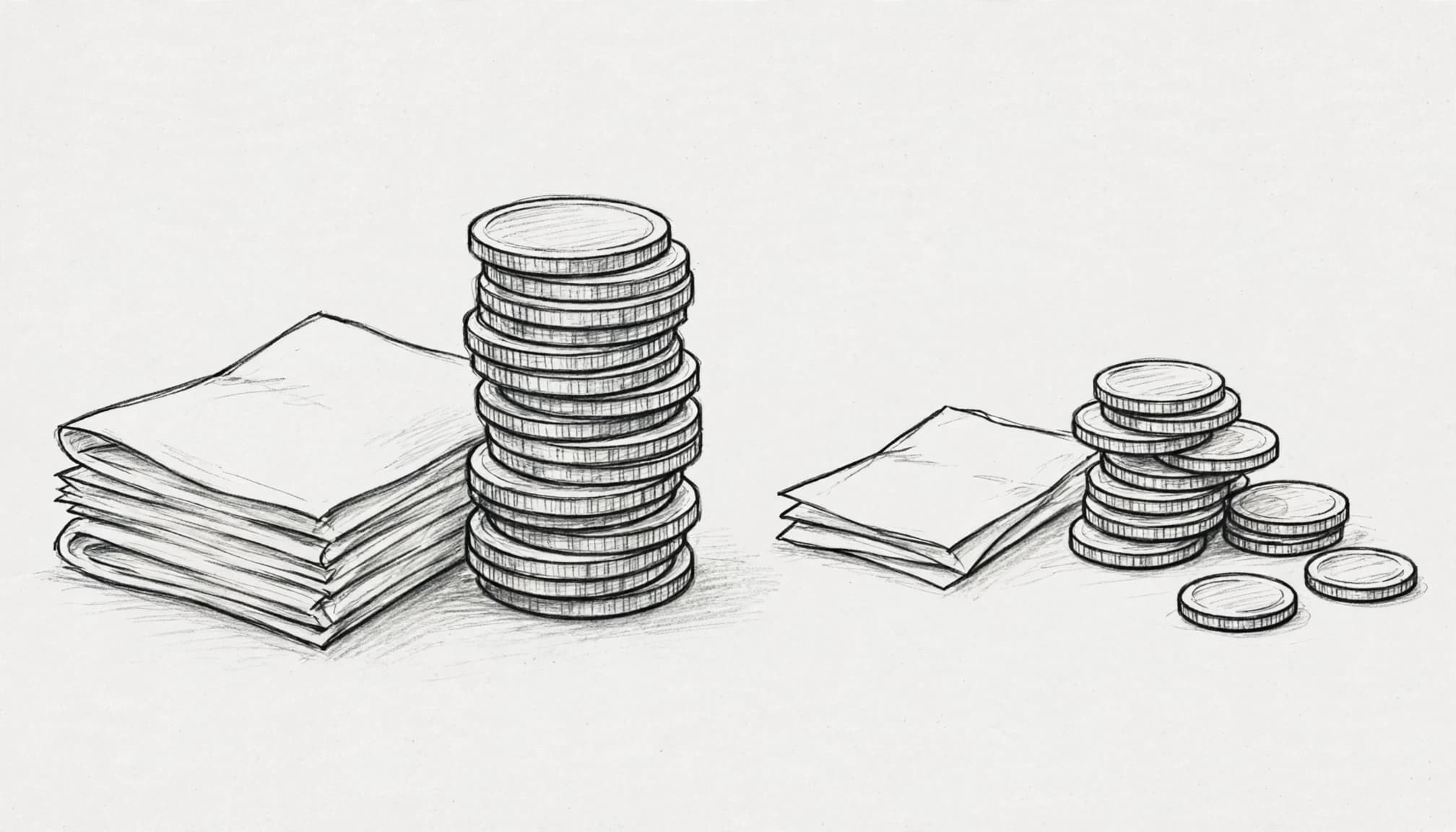
For a Full Cash Purchase
A cash buyer must show enough funding for the full purchase price, plus any costs assigned to the purchaser. An account balance covering only the earnest money deposit isn't enough.
Once the earnest money deposit is confirmed in escrow, it counts toward the purchase obligation. Don't count that same deposit again as money still available in the purchaser's bank account.
The closing agent's settlement figures establish the remaining amount needed.
For a Financed Purchase
A financed purchaser generally needs documented funds for the down payment, closing costs, and any reserves required by the mortgage lender. The mortgage supplies the financed portion.
Requirements for reserves vary by loan and transaction. A seller shouldn't treat a financed purchaser's down-payment evidence as proof of a full cash purchase.
Purchasers also need money left for repairs and maintenance. Spending every available dollar at closing can leave no room for the costs of owning the property.
How to Obtain a Bank Letter
Request the Right Information Upfront
The buyer requests a proof of funds letter from the institution holding the money. They should provide their legal name, account details, and information about the intended purchase.
A seller can request this documentation while reviewing the offer instead of discovering funding problems near closing. Bank procedures differ, so a response may take time. Unexplained delays and repeated evasions deserve attention, but timing alone doesn't prove dishonesty.
Sample Wording for a Bank-Issued Letter
The institution should complete and authenticate the letter. This format identifies the essential information without exposing full account details:
[Financial institution name and address]
Date: [Issue date]As of [Balance date], [Account holder's legal name] has an available balance of [Amount and currency] in an account ending [Last four digits].
Restrictions affecting availability: [Applicable restrictions or confirmation of none].
[Authorized bank officer's name, title, signature, and contact information]
The account holder should be the contract party or have a documented connection to it. The balance date shows when the information was accurate, but the letter doesn't guarantee the funds will remain available.
Red Flags That Deserve a Pause
Inconsistent Documents or Unexplained Funding
Watch for mismatched names, conflicting dates, altered-looking figures, missing pages, or a financial institution that can't authenticate its letter. Large recent deposits need context when the buyer's ability to use the money is unclear.
A purchased document that falsely presents someone else's real estate equity as the purchaser's funds doesn't establish funding. Fabricated statements used to obtain mortgage financing can constitute mortgage fraud under the FBI's definition. An all-cash transaction can also involve fraud without a mortgage.
A Contract That Depends on Finding Another Buyer
Read assignment language and ask who will actually purchase the house. An assignment clause permits transferring contractual rights, but it doesn't automatically prove misconduct.
However, a purchaser searching for another investor introduces different risks than one funding the purchase directly. You deserve clear answers about the purchasing party, funding source, cancellation rights, and deposit deadlines before signing.
Proof of Funds FAQ
How Recent Should the Documents Be?
Request current proof of funds documentation that reflects money available for the proposed purchase. An older statement can't establish today's balance.
If the closing is delayed or the funding source changes, updated evidence helps prevent surprises. For gifted funds, request a signed gift letter and evidence of the transfer. A balance date and an issue date may differ, so read both.
Can a Screenshot or Cashier's Check Replace a Letter?
A screenshot alone is weak evidence because it can omit ownership details or be edited. A cashier's check also needs authentication and collection through the closing process.
Use institution-issued documentation and independent confirmation rather than relying on appearance.
Does Proof of Funds Protect My Sale Proceeds?
It helps establish the buyer's capacity, but it doesn't establish your final payout. The settlement statement itemizes the price, mortgage payoff, liens, prorations, and any seller charges.
Review the net proceeds before signing. Funding evidence and a clear settlement statement protect different parts of the sale.
Move Forward With Clear Funding and Clear Terms
A fast sale should reduce your burden, not replace it with uncertainty. Match the buyer to the funds, confirm the documents independently, and let the closing agent handle receipt and disbursement.
If you're ready to sell your Port St. Lucie house for cash, we buy houses as-is without realtor commissions or standard seller closing costs.
Contact Infinity Home Buyers for a no-obligation cash offer. You can choose your closing date and move forward with clear terms.
