Florida Seller Disclosures: What You Must Reveal
You must disclose known defects that materially affect a property's value and aren't readily observable or already known to the buyer. Florida seller disclosures still apply when you sell as-is or accept a cash offer.
If you need to sell your Port St. Lucie house fast for cash, clear disclosure helps you avoid preventable disputes. This guide provides general information, not legal advice. Start by separating known defects from the additional notices Florida requires.
Key Takeaways for Sellers
- Disclose known hidden problems that materially affect the property's value, regardless of how you sell.
- Florida doesn't mandate one general disclosure form, but several specific written notices are required.
- Provide disclosures early, describe repairs accurately, and keep records showing what the buyer received.
How Florida Seller Disclosures Work
The Johnson v. Davis Rule
The controlling rule comes from Johnson v. Davis, 480 So. 2d 625 (Fla. 1985). Sellers must disclose known facts that materially affect property value when buyers can't readily observe or know those facts.
The case involved assurances about a roof, followed by substantial leaking during heavy rain. The buyers were entitled to rescission and recovery of their deposits.
The practical lesson: a problem doesn't disappear because it stayed hidden during a dry-weather walkthrough.
What You Know Matters
This duty concerns your actual knowledge. It generally doesn't require hiring specialists to uncover every possible defect before selling.
However, you can't ignore a contractor's warning, deny a documented leak, or describe an uncertain repair as a permanent solution.
A material fact meaningfully affects value. Material defects such as recurring water intrusion, structural damage, or a failing major system differ from ordinary cosmetic wear. Describe what you know without guessing about conditions you haven't evaluated.
Which Property Defects Should You Disclose?
Water Damage, Structural Problems, and Unpermitted Work
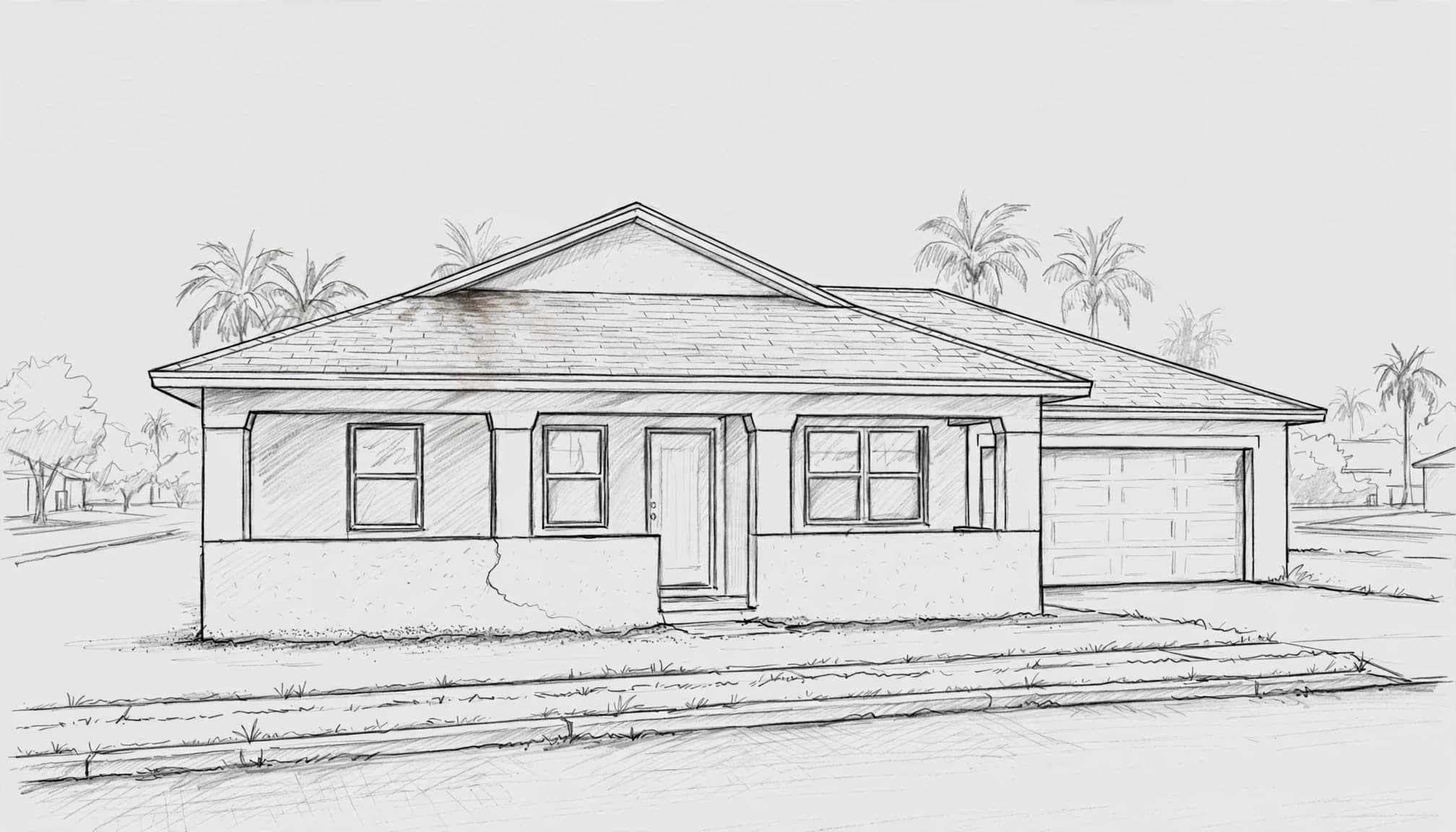
Disclose known material problems such as roof leaks, recurring drainage failures, plumbing leaks, termites, electrical hazards, or structural movement.
For Treasure Coast sellers, distinguish hurricane-related roof intrusion from flooding. Both conditions may be material, but they aren't the same.
Known unpermitted additions, unresolved code violations, and defective repairs can also affect value. Don't describe an addition as permitted if you don't know its status. Share any notices and records you have.
Repaired Defects and Sinkhole History
A repair doesn't automatically remove the duty to disclose material history. Explain what happened, what work was completed, and whether symptoms returned.
Section 627.7073 requires specific notice when a seller made a sinkhole claim that an insurer paid. Before closing, disclose the paid claim and whether all proceeds went to repairs.
Known sinkhole activity can remain material after certified repairs. Provide available engineering reports and repair records rather than treating certification as a reason to omit the history.
Flood Disclosure: More Than an Insurance Claim
Under Section 689.302, Florida Statutes, residential sellers must provide a written disclosure on the statutory form at or before contract execution.
The statutory flood disclosure form asks whether flooding damaged the property during the seller's ownership, whether the seller filed a flood-related insurance claim, and whether the seller received assistance for flood damage.
The form includes claims through the National Flood Insurance Program and assistance from the Federal Emergency Management Agency.
No insurance claim doesn't mean no disclosure. If you know flooding damaged the property, disclose that history, even if you paid for repairs yourself.
Flood-zone status is a separate issue. The statutory form focuses on damage, claims, and assistance. Disclose known material flood-risk information, including relevant flood-zone information, but don't treat a map designation as a substitute for the property's actual history.
The form also warns buyers that homeowners insurance doesn't cover flood damage.
Required Notices by Property Type
Your disclosure package depends on the property, its age, and its governing documents.
| Property or condition | Required disclosure or documentation |
|---|---|
| Residential buildings | Include the statutory radon gas warning required by Section 404.056(5). |
| Most homes built before 1978 | Provide federal lead-based paint disclosures, available reports, the contract's Lead Warning Statement, and an EPA-approved pamphlet. |
| Mandatory HOA membership | Provide the disclosure summary required by Section 720.401. |
| Condominium resale | Provide applicable documents and disclosures under Section 718.503. |
| Property seaward of the Coastal Construction Control Line | Provide the coastal erosion and regulatory notice required by Section 161.57. |
These notices address different risks. One general disclosure statement doesn't replace them.
The statutory radon warning belongs in the sale paperwork, even without a known elevated reading. Disclose known adverse test results separately.
For covered older homes, provide Protect Your Family From Lead in Your Home. Buyers generally receive a 10-day lead inspection opportunity unless properly modified or waived. Federal lead-based paint disclosure rules don't automatically require sellers to test or remove paint.
HOA information should address mandatory membership, assessments, and governing restrictions. Condo disclosures can also involve financial and building-safety records. Disclose pending special assessments and any HOA approval requirement; HOA approval isn't universal.
The coastal erosion notice applies based on the property's position relative to the control line, not simply its county.
Property Taxes and PACE Assessments Need Attention
Property condition isn't the only source of an expensive surprise.
Section 689.261 requires a property-tax disclosure summary. A sale can trigger reassessment and higher taxes, so buyers shouldn't treat your current tax bill as a forecast.
Your homestead-related tax benefits don't automatically transfer with the house. Explain the potential reset instead of promising the buyer your existing tax amount.
A Property Assessed Clean Energy (PACE assessment) finances qualifying improvements through a property assessment. Sellers must disclose an existing PACE assessment in writing before contract execution.
Provide assessment and payoff information early. Leaving it until the closing statement can create a last-minute dispute over who pays the remaining obligation.
How to Prepare and Deliver Your Disclosures
Use a General Form Without Confusing It With the Law
Florida doesn't require one universal, state-mandated seller disclosure form. The Florida REALTORS Seller's Property Disclosure is a commonly used template.
Using that template is generally voluntary. Answering honestly and meeting separate statutory requirements aren't optional.
For inherited or rental property, answer based on what you actually know. "Unknown" can be appropriate when truthful. It isn't appropriate if you have a report describing the problem.
The Florida REALTORS Seller's Property Disclosure organizes information, but it doesn't replace supporting documents or required statutory notices.
Put the Information in Writing Early
Give buyers written disclosures before they commit whenever possible. Follow each statute's deadline, including the flood disclosure deadline at or before contract execution.
Oral disclosures can lead to disputes about what was said. Written delivery gives both sides a clearer record.
Keep copies of disclosures, delivery emails, inspection reports, invoices, insurance documents, and buyer acknowledgments. Update the buyer promptly if a new material problem develops or earlier information proves inaccurate.
Describe symptoms, dates, and completed work. Avoid unsupported assurances such as "it will never leak again."
Does Selling As-Is to a Cash Buyer Change Anything?
An as-is sale generally covers the property's accepted condition and repair obligations. It doesn't automatically excuse nondisclosure of known defects, including a hidden issue that qualifies as a material defect.
The Florida Bar's discussion of seller disclosure duties explains the continuing importance of the Johnson rule in residential transactions.
A buyer agreeing to handle repairs isn't the same as a buyer receiving disclosure of a hidden problem.
If you want to sell without making major repairs, we can purchase the house in its current condition. Tell us about known damage, unresolved permits, and recurring problems upfront.
That allows the offer to reflect the property being purchased. You don't have to present a damaged house as move-in ready to pursue a cash sale.
What Happens if a Buyer Discovers an Undisclosed Defect?
Potential Claims and Financial Exposure
A buyer may seek damages, including documented repair costs, or rescission if the legal requirements are met. Rescission seeks to unwind the transaction.
Punitive damages aren't automatic. Intentional misconduct or gross negligence must meet Florida's separate legal requirements. Attorney fees also require a valid contractual or statutory basis. A disclosure dispute alone doesn't guarantee a fee award.
Closing doesn't automatically end a seller's exposure. A concealed problem discovered afterward can still lead to a claim.
Evidence and Seller Defenses
The buyer must prove the required elements, including the seller's knowledge. Old contractor invoices, prior insurance claims, messages, repeated patching, and earlier inspection reports can become evidence.
Relevant defenses include lack of knowledge, no material effect on value, a readily observable condition, or disclosure that already informed the buyer.
A newly discovered defect doesn't prove the seller knew about it. A signed form that says "unknown" won't erase records showing the seller knew.
Keep documentation that accurately reflects the condition and your communications. For a fact-specific dispute, ask a real estate attorney to review your records. Clear records are more useful than a broad statement that everything was sold as-is.
Frequently Asked Questions
Does My Real Estate Agent Have a Separate Disclosure Duty?
Yes. Section 475.278 imposes disclosure duties on real estate licensees concerning known facts that materially affect residential property value and aren't readily observable.
Your agent's responsibilities don't replace yours. Tell the agent about known problems and provide the supporting records. Using an agent, accepting cash, or allowing an inspection doesn't automatically transfer your disclosure responsibility to someone else.
Must I Disclose a Death or an Occupant's HIV Status?
Section 689.25 says a homicide, suicide, or death at the property isn't a material fact requiring disclosure. The same protection applies to an occupant's HIV/AIDS diagnosis.
Those facts differ from a physical property defect. The exemption doesn't excuse concealing related physical damage or another known condition that independently satisfies Florida's material-defect rule. Keep the distinction clear when completing forms or answering questions.
Move Forward With Clear Disclosure
You can sell a home that needs work without paying to fix every problem first. Your responsibility is to disclose known material defects and provide the required notices on time.
Gather your records, describe the property's condition honestly, and raise uncertain legal issues with a Florida real estate attorney. A straightforward sale starts with accurate information, whether your buyer pays cash or uses financing.
